

Binance's latest security incident is a reminder that even the largest cryptocurrency exchanges can suffer serious breaches. On 30 October 2026, CNA reported that Binance had acknowledged a hack and temporarily suspended deposits and withdrawals. Chainalysis estimated approximately US$5.912 billion stolen, but the final loss and attack method remained unconfirmed. Frozen funds are not necessarily recovered funds, and early estimates can change.
For Australian Bitcoin holders, the lesson is not simply to choose another exchange. It is to examine where control sits, what could fail, and how recovery would work.
Reduce dependence on one key
With a single private key, anyone who obtains that key can authorise a transaction. A properly configured multi-signature wallet, or multisig, requires multiple independent signatures. In a 2-of-3 arrangement, two of three keys must approve spending. One compromised key alone cannot move your Bitcoin; losing one key need not mean losing access.
However, multisig is not automatic protection. If attackers compromise enough signers, deceive them into approving the same malicious transaction, or obtain multiple backups, funds can still be lost. Bitcoin's secure multisig setup guidance stresses checking that signers agree on the wallet address and policy.
Use multiple vendors and separate failure points
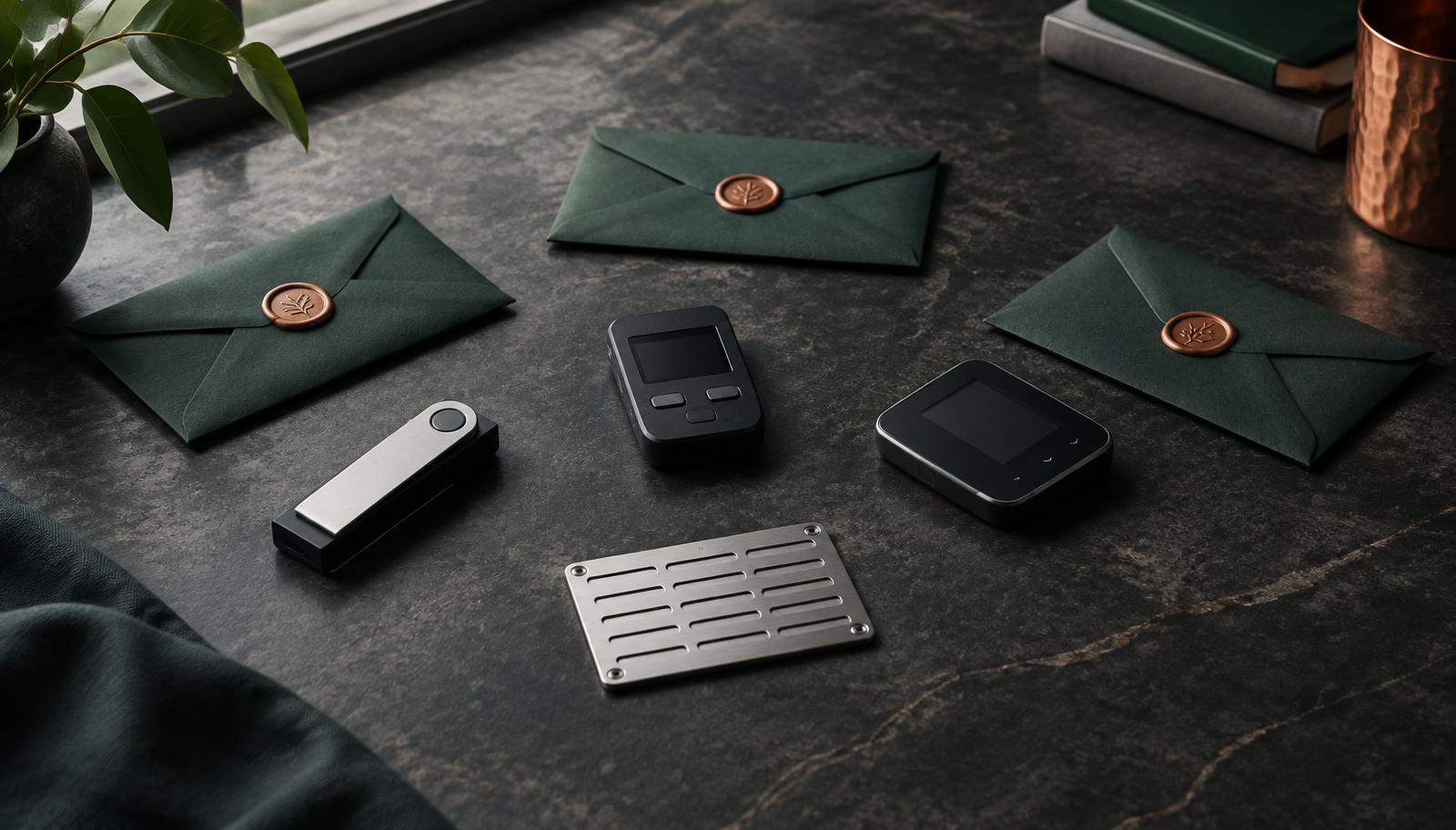
Consider compatible signing devices from different manufacturers rather than identical devices sharing the same software and supply chain. This can reduce dependence on one vendor, but does not eliminate vulnerabilities. Keep keys and backups separately secured, verify transaction details independently, and test recovery before committing substantial funds. More devices are not useful if they all depend on one compromised computer or location.
Choose onshore support carefully
Where you need professional assistance, consider Australian-based providers with identifiable people, clear contracts and accessible local support. Check who actually controls the keys and which jurisdiction governs the service. Being onshore is not a security guarantee: ASIC's Moneysmart warns that crypto platforms can be hacked and protections may be limited. Assess safeguards, not just the postcode.
Talk to experts before changing your setup
Multisig should fit your technical ability, backup arrangements and estate plan. Discuss wallet compatibility and recovery with experienced specialists, and legal authority with your solicitor. Never share seed phrases or private keys during a consultation.
BlockByte provides non-custodial guidance: you generate and hold your keys; we explain each step. We cannot sign transactions or move your Bitcoin.
Give BlockByte a call to discuss a multi-vendor multisig setup today. Book a free 30-minute call and build a plan suited to you.